The Ultimate Guide to Flawless Skin: How to Remove Scars on Face and Body Effectively
-
admin
- Posted on
Introduction
We all have stories etched onto our skin. Some are memories of childhood adventures, while others might be reminders of painful accidents, surgeries, or stubborn acne battles. While these marks—scars on face or body—tell a story of healing, they often leave us feeling self-conscious. Whether it’s a jagged line from a fall or a lingering burn mark, the desire to reclaim smooth, unblemished skin is universal.
If you have been frantically searching for how to remove scars or the best scar treatment for the face, you are not alone. In the quest for perfection, we often stumble upon endless remedies, from kitchen hacks to expensive surgical scar removal treatment. But what actually works? How do you distinguish between a temporary fix and a solution that truly fades marks?
In this extensive guide, we will deep-dive into the science of scarring, explore the different types of scars, and introduce you to a revolutionary solution: Scar Seal Silicon Gel. This product isn’t just another face scar removal cream; it is a scientifically formulated barrier that helps your skin heal the right way. By the end of this read, you will know exactly how to remove scars on face and body, restoring not just your skin, but your confidence too.
Section 1: Understanding the Enemy – What Are Scars?
To know how to get rid of scars, you must first understand what they are. A scar is your body’s natural way of healing and replacing lost or damaged skin. A scar is usually composed of fibrous tissue. Scars can form for many different reasons, including as a result of infections, surgery, injuries, or inflammation of tissue.
When your skin is injured, it breaks the collagen fibers. Your body rushes to repair the damage by producing new collagen. However, this new collagen is often laid down in a chaotic, cross-linked pattern rather than the neat basket-weave pattern of normal skin. This difference in texture and quality is what we see as a scar.
The appearance of a scar depends on various factors:
- The depth and size of the wound: Deep incisions require more collagen to bridge the gap.
- Age: Older skin heals more slowly, but younger skin is more prone to over-healing (keloids).
- Location: Scars on the face heal differently than those on the knees or back due to skin tension.
- Genetics: Your DNA dictates how much collagen your body produces during healing.
While total disappearance is the dream—leading many to ask how to remove scars from face permanently—the medical reality is often about “fading” and “flattening” rather than erasing. However, with the right scar treatment, you can make them nearly invisible.
Section 2: The Different Types of Scars
Before grabbing any scar mark removal cream, you need to identify what type of scar you are dealing with. Different scars respond to different treatments.
1. Keloid Scars
These are the result of an overly aggressive healing process. They extend beyond the original injury site. Over time, a keloid scar may hamper movement. Treatments range from surgery to silicone sheets and steroid injections. If you have these, you need a powerful regulator like Scar Seal Silicon Gel to control collagen production.
2. Hypertrophic Scars
Raised, red scars that are similar to keloids but do not go beyond the boundary of the injury. They are common after burns or surgery. Treatments include silicone gel injections or steroids to reduce inflammation.
3. Atrophic Scars
These take the form of sunken recesses in the skin, which have a pitted appearance. These are often caused by acne or chickenpox. If you are wondering how to treat scars on the face left by teenage acne, this is likely what you have.
4. Contracture Scars
These scars are caused by burns. They tighten skin, which can impair your ability to move. These scars also go deeper, affecting muscles and nerves. People often search for how to fade burn scars naturally, but contracture scars usually need specialized medical care alongside topical gels.
5. Fine-Line Scars
Minor cuts usually leave a raised line that gradually fades and flattens over time. This process can take up to two years, but you can speed it up significantly with the right scar removal treatment.
Section 3: The Myth vs. Reality of Scar Removal
“How to remove scars from the face permanently?” This is the most common question dermatologists hear. The truth is, once a scar forms, it is a permanent part of your skin’s architecture. However, “permanent” doesn’t mean “visible.” With advanced scar treatment, you can alter the scar tissue’s structure, making it soft, flat, and blended with your surrounding skin tone.
Many people assume that surgical scar removal treatment is the only way to get results. While surgery can reduce the size of a wide scar, it creates a new scar in its place (albeit a neater one). Non-invasive options like Scar Seal Silicon Gel are often preferred because they treat the tissue without creating new trauma.
Section 4: Natural Remedies vs. Medical Science
When looking for how to heal scars on the face, the internet offers a plethora of home remedies. Let’s weigh them against medical science.
Natural Remedies: Do They Work?
People frequently ask how to fade burn scars naturally. Common answers include:
- Lemon Juice: Acts as a bleach but can make skin photosensitive.
- Honey: Good for wound healing but ineffective for old scar tissue.
- Coconut Oil: Moisturizes but doesn’t regulate collagen.
While natural remedies are great for minor hydration, they lack the mechanism to penetrate the stratum corneum (outer skin layer) and regulate fibroblast activity deep within. They cannot effectively treat hypertrophic or keloid scars.
The Medical Gold Standard: Silicone Gel
For decades, doctors have used silicone sheeting as the benchmark for scar treatment. However, sheets are cumbersome, visible, and hard to keep on the face. This led to the development of topical silicone gels—the technology behind Scar Seal.
Silicone gel works by:
- Hydration: It helps to keep the scar hydrated. This signals fibroblasts to stop producing excess collagen.
- Protection: It forms a barrier against bacteria, which is crucial when asking how to remove wound scars from the face.
- Breathability: Unlike thick creams, it allows the skin to breathe while working.
Section 5: Introducing Scar Seal Silicon Gel – The Advanced Solution
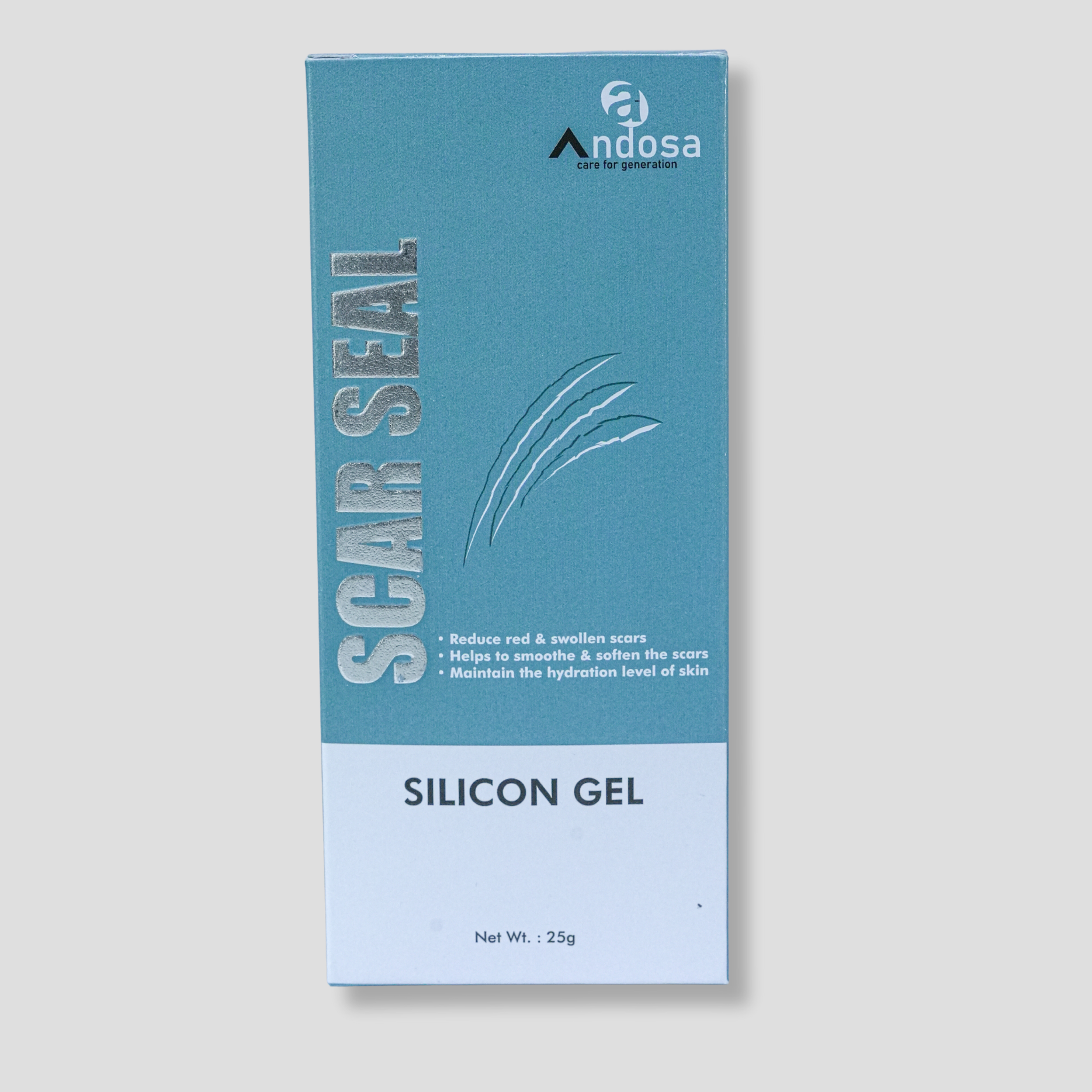
If you are looking for the best scar treatment for face and body, look no further than Scar Seal Silicon Gel by Andosalab.
This isn’t just a moisturizer; it is a sophisticated medical device in gel form. It is designed to flatten, soften, and fade scars by creating an optimal environment for healing.
The Powerhouse Ingredients
What makes Scar Seal superior to a generic face scar removal cream? It’s the blend of active ingredients:
- Silicone Gel: The core ingredient. It dries to form a thin, invisible sheet. It is effective for irregular surfaces like joints and the face. It normalizes collagen synthesis, ensuring the scar doesn’t get raised or bumpy.
- Peptides: Short chains of amino acids that act as messengers. They signal the skin to repair itself efficiently, increasing elasticity. This is vital for removing old scars where the skin has lost its bounce.
- Ceramides: These are lipids (fats) that hold skin cells together. They reinforce the skin’s barrier, locking in moisture and protecting the scar from environmental aggressors like pollution.
- PEG-12 Dimethicone: A specialized silicone blend that ensures the gel spreads smoothly and feels silky, not sticky. It acts as a skin-conditioning agent.
- Aloe Vera: Known for its soothing properties, Aloe Vera reduces the itching and redness often associated with healing wounds. It’s the answer to how to treat scars on face without irritation.
Mechanism of Action: How It Works
Scar Seal operates on a cellular level.
- Step 1: Upon application, it increases the hydration of the stratum corneum (outer layer).
- Step 2: This hydration regulates fibroblast production. Fibroblasts are the cells that make collagen.
- Step 3: It balances the expression of growth factors (TGF β and FGF β).
- TGF β stimulates collagen production.
- FGF β breaks down excess collagen.
- Step 4: By balancing these two, Scar Seal ensures the scar becomes soft and flat rather than hard and raised.
Section 6: How to Remove Scars on Face with Scar Seal
The face is the most delicate area of the body. Scars on the face can result from acne, accidents, or cosmetic surgery. The skin here is thinner and more prone to sun damage, which can darken scars (hyperpigmentation).
Why Scar Seal is perfect for the face:
- Invisible Finish: It dries clear, meaning you can wear makeup over it.
- Non-Comedogenic: It won’t clog pores or cause acne breakouts.
- Gentle: It contains Aloe Vera and Ceramides, making it safe for sensitive facial skin.
Protocol for Facial Scars:
- Cleanse your face gently.
- Apply a very thin layer of Scar Seal Silicon Gel.
- Massage it in for 2-3 minutes. This massage action helps break down fibrous tissue physically, while the gel works chemically.
- Let it dry before applying sunscreen or cosmetics.
This routine answers how to remove scars on the face without invasive procedures.
Section 7: Treating Specific Types of Scars with Scar Seal
1. Burn Scars
Burns often result in contracture scars. Users asking how to fade burn scars naturally will find that while Aloe Vera helps the initial burn, Scar Seal is needed for the scar tissue that follows. The silicone creates a barrier that mimics the skin’s natural moisture barrier, crucial for burn victims whose skin barrier is compromised.
2. C-Section and Surgical Scars
Post-surgery, the body goes into overdrive. Surgical scar removal treatment doesn’t always have to mean more surgery. Applying Scar Seal 10 days after the stitches are removed can prevent the incision from becoming a raised keloid. It reduces the redness and itching common with C-section marks.
3. Acne Scars
For pitted acne scars, collagen production is needed to fill the gaps. The Peptides in Scar Seal stimulate collagen production in a controlled way, improving skin texture.
4. Old Scars
“Can you teach me how to remove old scars?” is a frequent request. While fresh scars (under 2 years) respond best, Scar Seal can still improve old scars. It softens the hardened tissue and reduces the dark pigmentation, making the scar blend in better with the surrounding skin.
Section 8: Step-by-Step Guide – How to Use Scar Seal Silicon Gel
To get the results of a professional scar removal treatment, consistency is key.
- When to Start: For fresh wounds, start treatment just days after the wound closes or after stitches are removed (typically 5-10 days). Do not apply to open wounds.
- Frequency: Apply twice a day (Morning and Night).
- Application:
- Wash the scar area with mild soap and water. Pat dry.
- Take a sufficient amount of gel.
- Rub with fingertips for 2-3 minutes. This aids penetration.
- Leave a thin layer over the wound.
- Allow it to self-dry.
Duration:
- Fresh Scars: 8 weeks minimum.
- Old Scars: 3-6 months.
Section 9: Why Choose Scar Seal Over Other Treatments?
In the crowded market of scar mark removal creams, Scar Seal stands out.
- Versatility: Works on Surgery, Burns, Cuts, Post C-Section, Stretch marks, Keloids, and Post Plastic Surgery.
- Safety: Safe for children and sensitive skin.
- Cost-Effective: Compared to surgical scar removal treatment or laser therapy, this is a fraction of the cost with proven efficacy.
- Comfort: Relieves the itching and discomfort that often accompany healing.
When you ask how to remove scars, you want a solution that is easy to integrate into your life. Sticky creams that stain clothes aren’t sustainable. Scar Seal’s self-drying silicone formula is designed for modern, busy lifestyles.
Section 10: Lifestyle Tips to Speed Up Scar Healing
Using the best scar treatment for the face is only half the battle. Support your skin from the outside and inside.
- Sun Protection: UV rays turn scars brown and make them permanent. Always apply sunscreen over your dried Scar Seal layer.
- Hydration: Drink plenty of water. Hydrated skin heals faster.
- Don’t Pick Scabs: Picking re-injures the skin and increases the likelihood of scarring.
- Massage: As mentioned, massaging the scar breaks down collagen bundles.
- Nutrition: Eat foods rich in Vitamin C and Zinc to support healthy collagen formation.
Reclaim Your Confidence
Scars do not have to be permanent reminders of pain or trauma. With the advancement of medical science, we now know how to remove scars on the face and body effectively without resorting to surgery.
Scar Seal Silicon Gel offers a scientifically backed, non-invasive, and effective solution. Whether you are dealing with a fresh surgical incision or wondering how to remove old scars that have bothered you for years, this product provides the care your skin needs.
It hydrates, protects, and regulates healing, ensuring your skin returns to its softest, smoothest state. Don’t let a scar define your appearance. Take control of your skin’s healing journey today with Scar Seal.
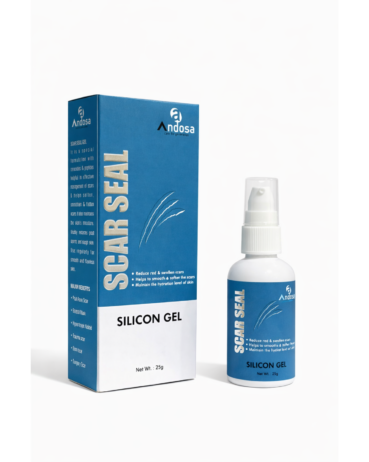
Scar Seal Silicon Gel
₹690.00
Scar Seal Gel contains topical self-drying silicone gel which is relatively recent treatment modality promoted as an alternative to topical silicone gel sheeting. Patients with scars of different types including superficial scars, hypertrophic scars, and keloids were treated with silicone gel application.
Add to cart
Buy Now
Frequently Asked Questions
Q1: How to remove scars from the face permanently using Scar Seal?
A: While no treatment can “erase” a scar as if it never existed, Scar Seal Silicon Gel can fade and flatten scars to the point where they are barely visible. Consistent application twice a day is key to achieving these “permanent-like” results.
Q2: Is this the best scar treatment for face acne scars?
A: Yes, it is highly effective. The peptides and silicone in Scar Seal help smooth the texture of acne scars and reduce the redness associated with post-acne marks. It is non-comedogenic, so it won’t cause new breakouts.
Q3: How to remove old scars? Does this gel work on scars that are years old?
A: Yes, Scar Seal can soften and fade old scars. However, older scars require a longer treatment duration (3-6 months) compared to fresh scars. The gel works by hydrating the old, tough scar tissue, making it softer and flatter.
Q4: Can I use this for surgical scar removal treatment after a C-section?
A: Absolutely. It is specifically formulated for post-surgical scars like C-sections. Start using it 5-10 days after the stitches are removed to prevent the formation of raised keloid scars.
Q5: How to fade burn scars naturally with this product?
A: While “natural” usually implies kitchen remedies, Scar Seal uses Aloe Vera (a natural ingredient) combined with medical-grade silicone to treat burns. This combination is far more effective for burn scars (contractures) than home remedies alone because it maintains the necessary moisture barrier.
Q6: Is Scar Seal safe for children?
A: Yes, the active ingredient (Silicone Gel) is non-invasive and safe for use on children and sensitive skin. It stays on the surface and does not enter the bloodstream.
Q7: How to remove wound scars from the face immediately after injury?
A: You cannot remove a scar “immediately.” You must wait for the wound to close (usually 5-10 days). Applying Scar Seal as soon as the wound is closed is the best way to minimize the eventual scar.
Q8: What is the difference between a scar mark removal cream and Scar Seal Gel?
A: Creams are often water or oil-based and rub off easily. Scar Seal is a silicone gel that forms a self-drying, protective sheet over the scar. This “sheet” effect is clinically proven to be superior for regulating collagen production.