A Complete Guide to Scar Removal With Andosa Labs
-
admin
- Posted on
- 0 comments
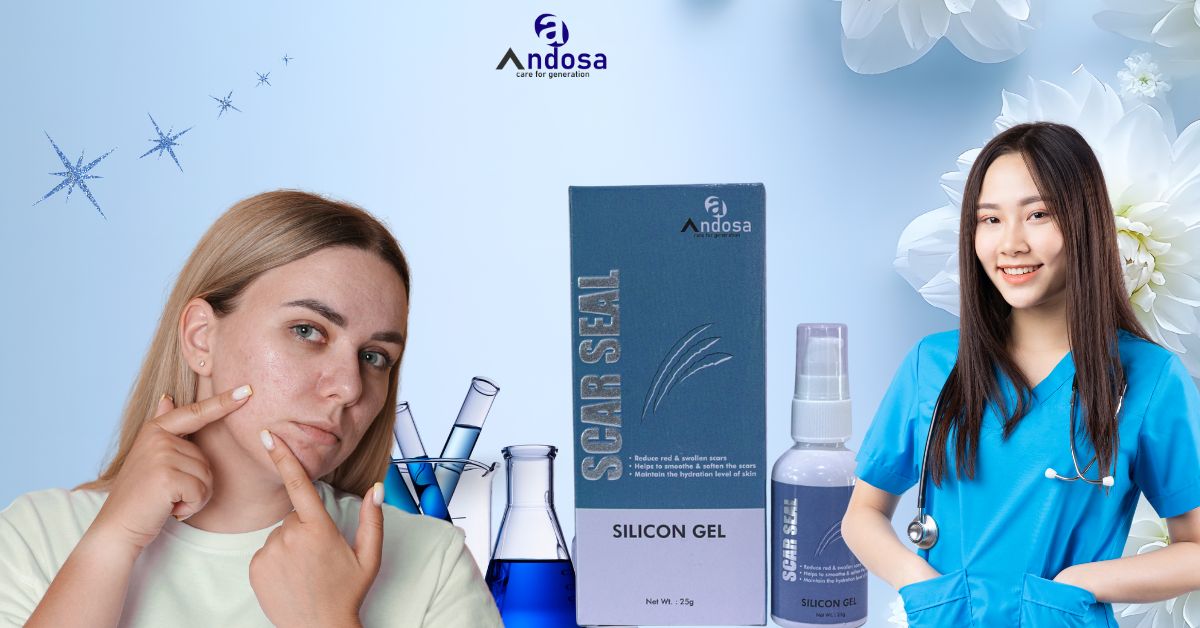
Scars can affect how we look and how we feel. Whether they come from acne, injuries, accidents, or surgery, many people look for safe and effective ways to reduce their appearance. At Andosa Labs, our goal is to help you understand scar healing, scar removal treatment options, and the best products available.
This guide explains different methods of scar care in simple English and includes the most searched phrases, such as scar removal treatment, best scar medication, face scar removal cream, best ointment for scars, scar removal cream, and many more.
What Causes Scars?
Scars form when the skin repairs an injury. The body produces extra collagen to close the wound. This collagen can create raised, flat, or depressed marks depending on the injury and healing.
Common causes of scars include:
- Acne
- Cuts and injuries
- Burns
- Surgery
- Stretching of skin
- Accidents
Understanding the cause helps you choose the best scar treatment for your skin.
1. Scar Removal Treatment: What Really Works
When people search for scar removal treatment, they want real results. Scar removal doesn’t always mean removing the scar completely. Instead, treatments help lighten, soften, and smooth scars so they are less visible.
The most effective scar removal treatments include:
1. Topical creams and gels
These include scar removal cream, scar reducing cream, and scar care cream. They work best for fresh and mild scars.
2. Silicone gels and sheets
These are recommended by dermatologists. Silicone keeps the skin hydrated and reduces raised scars.
3. Laser treatments
Laser therapy helps smooth uneven skin and reduce discoloration. Often recommended for deep acne scars and surgical scars.
4. Chemical peels
These remove the top layer of skin, helping smooth older scars.
5. Microneedling
Tiny needles stimulate collagen and improve texture.
6. Surgical scar removal treatment
For very deep scars, a dermatologist may recommend minor surgery to reduce or revise the scar.
At Andosa Labs, we focus on research-backed ingredients that support skin repair naturally.
2. Best Scar Medication and How It Helps
People often look for the best scar medication when their scars do not fade on their own. “Medication” can refer to prescription creams, over-the-counter solutions, or dermatologist-recommended treatments.
Types of scar medication include:
- Retinoid creams
- Steroid creams for raised scars
- Silicone-based gels
- Onion extract formulas
- Vitamin C serums
The best scar medication is the one that matches your scar type. Flat, red scars require anti-inflammatory products. Thick scars need silicone and steroid creams. Dark marks respond well to brightening serums.
3. Best Scar Cream and Best Ointment for Scars
Choosing the best scar cream or the best ointment for scars can feel confusing. Many options exist, but certain ingredients are proven to work.
Ingredients that help scars fade:
- Silicone – best for raised and surgical scars
- Vitamin C – brightens dark marks
- Centella Asiatica – improves healing
- Allantoin – softens scar tissue
- Niacinamide – reduces redness
- Hyaluronic Acid – adds hydration for smoother skin
A good scar removal ointment or cream should be gentle, fragrance-free, and clinically tested—something Andosa Labs focuses on.
4. Face Scar Removal Cream: Choosing the Right One
The skin on the face is delicate. That’s why choosing a face scar removal cream needs extra care. Many people search for the best scar removal cream for the face to treat acne scars, dark marks, or small injuries.
Look for formulas that are:
- Non-comedogenic
- Lightweight
- Gentle on sensitive skin
- Rich in antioxidants
- Dermatologist-tested
Using a scar cream for the face daily can help fade marks faster.
5. How to Remove Scars on Face: Simple Steps
Many ask “how to remove scars on the face” because facial marks are more visible. You can follow a simple routine:
- Cleanse gently
- Apply scar removal cream
- Use sunscreen every day
- Avoid picking or scratching
- Add Vitamin C or niacinamide serums
- Use silicone gel at night
- Visit a dermatologist for deeper scars
The process is slow but effective.
6. Best Scar Treatment for Face
Facial skin heals differently from body skin. That’s why the best scar treatment for the face is often a combination of:
- Silicone gel
- Vitamin C serum
- Retinoid cream
- Gentle exfoliation
- Microneedling sessions
Consistency gives results.
7. How to Reduce Scars on Face Naturally
When people search for how to reduce scars on the face, they want quick and simple tips. Here are some strategies:
- Keep the skin moisturized
- Use SPF daily
- Apply products with centella, aloe, or niacinamide
- Use gentle exfoliants to remove dead skin
- Stay hydrated
Natural healing takes time but helps improve texture.
8. How to Remove Old Scars on Legs Fast
Leg scars from cuts, insect bites, or injuries often take longer to fade. Searches like how to remove old scars on legs fast are very common.
For leg scars, try:
- Silicone sheets for 2–3 months
- Chemical exfoliation with AHAs
- Scar removal ointment
- Retinol body creams
- Laser treatments for very old scars
Leg skin is thicker, so treatments may take longer.
9. Accident Marks Removal Cream
Accidents may leave visible marks that affect confidence. An accident marks removal cream helps lighten pigmentation and soften scar tissue.
Look for:
- Silicone
- Centella
- Niacinamide
- Vitamin E
These ingredients support healing and reduce discoloration.
10. Operation Scar Removal Cream and Surgery Scars
Surgery marks can be challenging. People often search for operation scar removal cream or how to remove surgical stitch marks.
Tips to manage surgical scars:
- Start silicone gel once stitches are removed
- Avoid sun exposure
- Massage scar tissue daily
- Use the surgical scar removal treatment recommended by dermatologists
- Use hydrating formulas to keep the area soft
Surgery scars need patience, but can be reduced significantly.
11. Scar Mark Removal Cream: What to Look For
A good scar mark removal cream should help with both texture and color. Look for brightening agents and collagen-boosting ingredients.
These creams help with:
- Acne marks
- Burn marks
- Old injuries
- Post-surgical scars
12. Scar Removal Ointment vs. Scar Reducing Cream
Some people prefer ointments, while others use creams. Both work, but the choice depends on skin type.
Scar removal ointment is best for:
- Dry or thick skin
- Deep scars
- Very old marks
Scar-reducing cream is best for:
- Normal skin
- Fresh scars
- Daily use
Both can be part of a routine for faster results.
13. Best Scar-Reducing Treatment Options
If your scars are deeper, you may need a stronger approach. Some of the best scar-reducing treatment options include:
- Microneedling
- Laser resurfacing
- Chemical peels
- Prescription retinoids
- Platelet-rich plasma (PRP)
Always see a dermatologist before starting advanced treatments.
14. How to Get Rid of Scars: A Simple Guide
People often search for how to get rid of scars, hoping for a fast solution. While complete removal isn’t always possible, fading is very achievable.
Follow this simple guide:
- Use the best scar cream or scar care cream daily
- Avoid the sun
- Apply silicone gel
- Use gentle exfoliation
- Stay consistent for 8–12 weeks
- Visit a dermatologist when needed
Over time, scars become lighter and smoother.
15. Scar Care Routine Recommended by Andosa Labs
A complete scar care routine includes:
Morning
- Wash face gently
- Apply vitamin C serum
- Use scar removal cream
- Apply sunscreen
Night
- Cleanse skin
- Apply silicone gel or best scar medication
- Moisturize with healing ingredients
Weekly
- Mild exfoliation
- Scar massage
Consistency is the real secret.
16. Why Andosa Labs Focuses on Smart Scar Care
At Andosa Labs, our mission is to develop scientifically supported skincare that is affordable, gentle, and effective. Our formulas focus on:
- Proven ingredients
- Dermatologist guidance
- Simple routines
- Safe use for all skin types
We believe everyone deserves confidence in their skin.
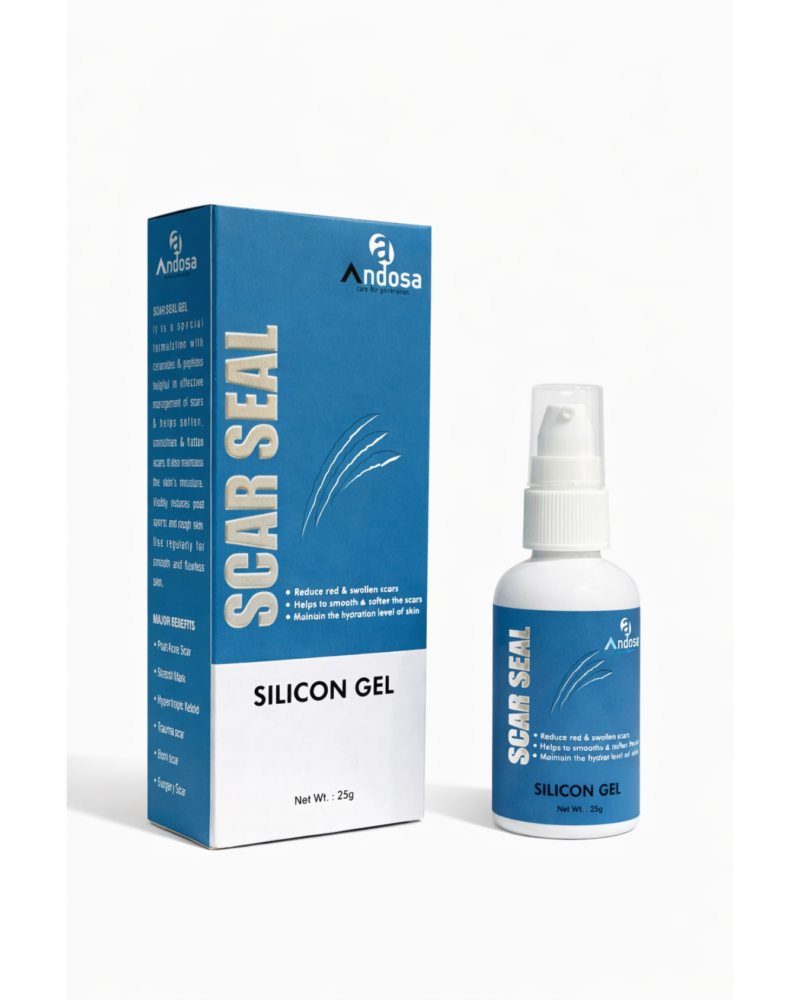
Scar Seal Silicon Gel
₹690.00
Scar Seal Gel contains topical self-drying silicone gel which is relatively recent treatment modality promoted as an alternative to topical silicone gel sheeting. Patients with scars of different types including superficial scars, hypertrophic scars, and keloids were treated with silicone gel application.
Add to cart
Buy Now
Your Journey to Scar-Free Skin
Finding the best scar treatment, best scar removal cream, or the right scar reducing cream can feel overwhelming. But with the right routine and ingredients, scars can fade, soften, and become less noticeable.
Whether your scars come from accidents, surgery, acne, or daily life, the key is:
- Consistency
- Safe ingredients
- Patience
- Proper skincare
Use products that support healing, like face scar removal cream, scar mark removal cream, ointment for scars, or best scar medication—and follow the steps explained in this guide.
At Andosa Labs, we are here to support your journey toward clearer, smoother skin.
Frequently Asked Questions
1. Why is my scar not fading even after using scar cream?
Some scars take longer to heal due to depth, skin type, or lack of sun protection. You may need silicone gel, retinoids, or professional treatments.
2. What if my scar becomes darker after using a scar removal cream?
Darkening can happen from sun exposure. Always use sunscreen. If irritation occurs, switch to a gentler formula or consult a dermatologist.
3. How do I treat raised or thick scars that don’t respond to ointments?
Hypertrophic and keloid scars often need silicone sheets, steroid creams, or laser treatments. Topical creams alone may not be enough.
4. Why do old scars on the legs heal more slowly than facial scars?
Leg skin is thicker and receives less blood flow, so old scars require stronger treatments like retinol creams, silicone sheets, or chemical exfoliation.
5. My surgery stitches mark is still visible—what should I do?
Use silicone gel for several months, protect the area from sun, and massage the scar. If no improvement occurs, consider laser or microneedling.
6. Is there a way to remove scars completely?
Most scars cannot be erased completely, but they can be softened, lightened, and made less noticeable with consistent treatment.
7. Why do acne scars leave deep marks on my face?
Inflammation damages deeper layers of skin. These scars often need microneedling, retinoids, or chemical peels for best results.
8. What if scar removal treatment causes redness or burning?
Stop using the product and choose a gentler formula. Strong irritation means the skin barrier is damaged and needs repair first.
9. Can I use the same scar removal cream on my face and body?
Not always. Facial skin is more sensitive. Choose non-comedogenic, gentle formulas for the face and stronger ointments for the body.
10. How long does scar treatment usually take?
Most treatments require 8–12 weeks of consistent use. Older or deeper scars may take several months or professional procedures.