
The Complete Guide to Female Intimate Hygiene: Expert Tips for Every Indian Woman
-
admin
- Posted on
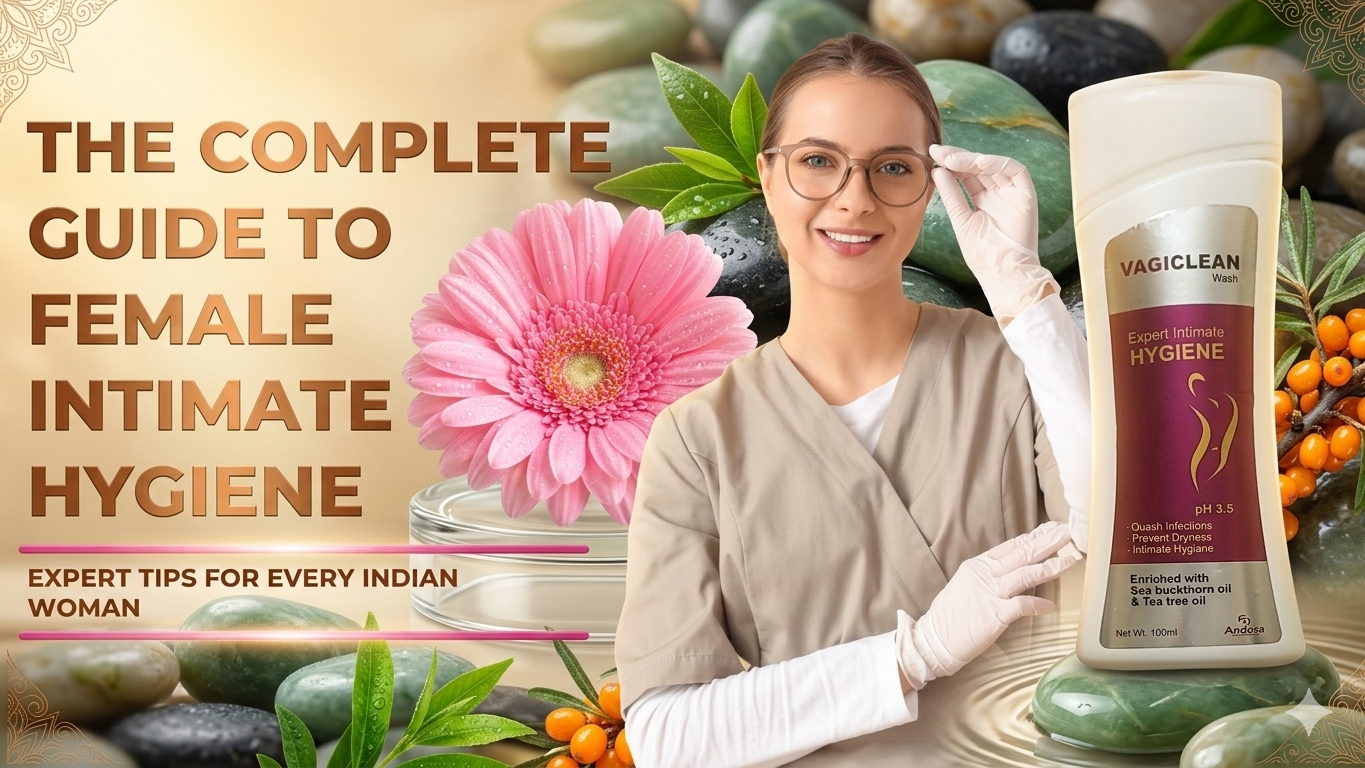
Maintaining personal hygiene for women is often a topic discussed in whispers, but it is a critical pillar of reproductive and overall health. In a diverse and humid climate like India’s, staying fresh and avoiding discomfort requires more than just a quick shower. From preventing vaginal infections to choosing the best intimate wash for women, this guide provides a deep dive into everything you need to know about your body.
At Andosa Lab, we believe that understanding your biology is the first step toward confidence. Let’s break down the science and the daily habits that keep you healthy.
What is the intimate area, and why is it unique?
When we talk about the intimate area, we are referring to the most sensitive skin on a woman’s body. Anatomically, this includes the vulva (the external parts) and the vagina (the internal canal).
The most important thing to understand is the pH balance. While your normal skin has a pH of around 5.5, the vaginal environment is naturally acidic, with a pH ranging between 3.5 and 4.5. This acidity is maintained by “good bacteria” called Lactobacilli. These bacteria produce lactic acid, which acts as a natural shield against harmful germs, fungi, and vaginal infections. If this balance is disrupted by harsh soaps or poor habits, it can lead to itching, odor, and irritation.
How to maintain personal hygiene daily?
Body cleanliness isn’t just a morning routine; it’s a lifestyle. To help you stay on track, here are 10 personal hygiene practices that every woman should follow:
- Daily Cleansing: Use lukewarm water and a pH-balanced wash daily.
- Front-to-Back Wiping: After using the washroom, always wipe from front to back to prevent E. coli bacteria from entering the vaginal area.
- Breathable Fabrics: Choose 100% cotton underwear. Synthetic fabrics trap heat and moisture, which are breeding grounds for yeast.
- Menstrual Management: Change sanitary pads every 4 hours and menstrual cups/tampons every 6–8 hours to avoid “Toxic Shock Syndrome” and rashes.
- Post-Activity Care: Always wash or at least change clothes after a workout or heavy sweating.
- Hydration for Health: Drinking 3 liters of water daily helps maintain the moisture levels of your mucosal membranes.
- Safe Grooming: If you trim or shave, use clean tools to avoid “folliculitis” (infected hair follicles).
- Hand Hygiene: Never touch your intimate area with unwashed hands; bacterial transfer is the leading cause of UTIs.
- Dietary Support: Include probiotics like curd (dahi) or buttermilk in your diet to support natural flora.
- Regular Laundry: Ensure your undergarments are dried in direct sunlight, as UV rays act as a natural disinfectant.
How to clean private parts without causing harm?
One of the most frequent questions is how to clean the intimate area safely. The golden rule of female intimate hygiene is: The vagina is self-cleaning, but the vulva is not.
You should never perform “douching” (washing inside the vaginal canal). This flushes out the good bacteria and leaves you vulnerable to infections. Instead, focus on the external skin.
Step-by-Step: How to wash the intimate area
- Step 1: Splash the area with clean, lukewarm water.
- Step 2: Take a coin-sized amount of a specialized cleanser like Vagiclean Wash Solution.
- Step 3: Gently massage it onto the external skin and skin folds.
- Step 4: Rinse thoroughly. Ensure no residue is left behind, as dried soap can cause itching.
- Step 5: Use a soft, dedicated towel to pat dry. Never rub the skin harshly.
What is an intimate wash, and do I really need it?
You might wonder, “Can I use my regular shower gel?” The answer from experts is a resounding no. Regular soaps are alkaline (high pH). Using them in an acidic zone causes a “pH crash,” which kills the protective bacteria.
An intimate wash is a liquid soap-free cleanser specifically balanced to 3.5 pH. It cleanses without stripping away natural oils or disturbing the biological balance.
Healthy hygiene habits with Vagiclean Wash Solution
Using a product like Vagiclean provides multiple benefits:
- Lactic Acid Protection: It mimics the body’s natural defense.
- Soothing Ingredients: Often contains Sea Buckthorn oil or Tea Tree oil to reduce inflammation.
- Prevention: Regularly using it helps in preventing vaginal infections by keeping the “bad” bacteria at bay.
5 things to keep your body clean and glowing
If you are looking for how to keep your body clean beyond just the basics, focus on these five areas:
- Scalp & Hair: Use a mild shampoo twice a week to prevent dandruff, which can sometimes fall and irritate facial skin.
- Oral Care: Tongue cleaning is as important as brushing to remove bacteria.
- Underarm Hygiene: Use aluminum-free deodorants to allow pores to breathe while staying fresh.
- Intimate Care: Using a dedicated wash like Vagiclean during your shower.
- Foot Care: Drying between your toes prevents fungal “Athlete’s foot” infections.
Personal grooming for females: Common Myths Debunked
- Myth: Discharge means you are “dirty.”
Fact: Clear or milky white discharge is normal and healthy. It’s the vagina’s way of removing old cells. - Myth: You should use talcum powder to stay dry.
Fact: Talcum powder can travel into the reproductive tract and cause irritation or more serious health issues. Stick to patting dry with a towel. - Myth: Pantyliners should be worn every day.
Fact: Unless you are at the end of your period, liners can block airflow. It’s better to change your cotton underwear if you feel damp.
How to keep private parts clean during periods?
Menstrual blood has a neutral pH of 7.4. When this blood sits in the vaginal area for hours, it raises the local pH, making you more prone to “period odor” and infections.
- Wash twice a day during your cycle using Vagiclean Wash.
- Avoid using scented pads; the chemicals used for fragrance can cause “contact dermatitis” (rashes).
Frequently Asked Questions
1. What is the best intimate wash for women in India?
The best wash is one that is soap-free, paraben-free, and contains lactic acid. Vagiclean Wash Solution by Andosa Lab is specifically designed to meet these medical standards while being gentle on sensitive skin.
2. How to be hygienic if I travel frequently?
Always carry intimate wipes or a travel-sized Vagiclean. Avoid using public toilets directly; use a toilet seat sanitizer spray and always wipe front-to-back.
3. Can poor intimate hygiene cause infertility?
Indirectly, yes. Untreated vaginal infections (like Pelvic Inflammatory Disease) can travel up to the uterus and fallopian tubes, potentially causing long-term health issues. Prevention is key.
4. How to clean private parts if I have an itchy sensation?
Wash only with plain water or a pH-balanced wash. Avoid scratching. If the itch persists for more than 2 days or is accompanied by a thick discharge, see a gynecologist.
5. Is it okay for teenage girls to use these products?
Yes. As soon as a girl’s hygiene tips routine starts (usually around the first period), using a mild wash is safe and helpful for managing new hormonal changes.
6. Why does the intimate area get dark?
Hyperpigmentation can be caused by friction from tight clothes, hormonal changes, or shaving. Maintaining personal grooming for females with the right products and wearing loose clothing can help reduce further darkening.
7. How can we keep our bodies clean internally?
Stay hydrated, eat fermented foods (like Idli or Dahi), and avoid excessive sugar, as high sugar levels can trigger yeast overgrowth.
Conclusion: Prioritize Your Self-Care
Understanding personal care and hygiene is an act of self-love. By choosing the right habits and the right products—like Vagiclean Wash Solution—you ensure that you stay fresh, confident, and most importantly, healthy.
