The Ultimate Guide to Hypertrophic Scar Treatment: Flatten, Fade, and Heal with Andosa Lab
-
admin
- Posted on
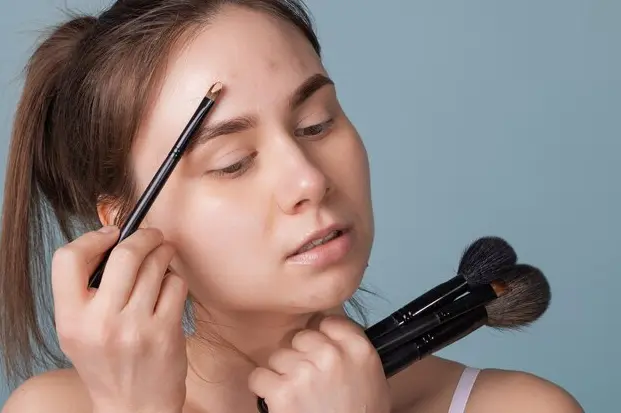
If you have ever noticed a scar that sits high above the surface of your skin, you might be dealing with a hypertrophic scar. While scars are a natural part of the body’s repair mechanism, some develop into thick, raised, and often red or purple textures that can be a source of physical discomfort and self-consciousness.
At Andosa Lab, we believe in providing science-backed solutions for skin recovery. In this guide, we will explore what a hypertrophic scar is, the hypertrophic scars, and the most effective ways to achieve hypertrophic scar removal.
Understanding the Basics: What is a Hypertrophic Scar?
To start your healing journey, it is essential to understand what a hypertrophic scar is. A hypertrophic scar is a raised, thickened area of skin that forms directly at the site of a wound. Unlike keloids, which grow beyond the original injury site, a hypertrophic scar stays within the boundaries of the initial wound.
Many people ask, “Can hypertrophic scars go away?” The truth is that while they may soften over several years, they rarely disappear entirely without a targeted hypertrophic scar treatment. Using a specialized hypertrophic scar cream or gel, like Andosa Lab’s Scar Seal Silicon Gel, can significantly accelerate this process.
Common Hypertrophic Scar Causes
Understanding hypertrophic scar causes is the first step in prevention. These scars occur when the body produces an excess of collagen during the wound-healing process. This overproduction is typically triggered by:
- Deep skin trauma or burns.
- Surgical incisions.
- Infections during the healing phase.
- High tension on the skin (especially near joints).
- Inflammation, such as hypertrophic acne scars.
By knowing the hypertrophic scar causes, you can take proactive steps, such as early application of hypertrophic scar treatment to manage the skin’s response.
The Journey of Recovery: Hypertrophic Scar Healing Stages
Healing isn’t an overnight process. Understanding the hypertrophic scar healing stages helps you set realistic expectations for your scar treatment results.
| Stage | Timeline | What’s Happening? |
| Inflammatory Phase | Days 1–10 | The wound is closing; redness and swelling are common. |
| Proliferative Phase | Weeks 2–6 | Collagen builds up. This is when a hypertrophic scar starts to rise. |
| Remodeling Phase | 6 Weeks – 1 Year | The scar matures. This is the critical time for hypertrophic scar treatment. |
| Maturation Phase | 1 Year+ | The scar stabilizes. Hypertrophic scar removal becomes more difficult but still possible. |
During these hypertrophic scar healing stages, the goal is to keep the area hydrated. Using a hypertrophic scar cream or silicone gel early in the remodeling phase is the best way to ensure a flat, faded result.
Targeted Solutions: How to Flatten Hypertrophic Scars
If you are looking for how to flatten hypertrophic scars, the gold standard is medical-grade silicone. Andosa Lab’s Scar Seal Silicon Gel is specifically formulated for this purpose.
1. Medical-Grade Silicone Gel
When searching for an effective hypertrophic scar treatment, silicone is the most recommended non-invasive option by dermatologists. It works by creating an occlusive barrier that mimics the skin’s natural moisture, signaling the body to stop producing excess collagen. This is the most reliable method for hypertrophic scar removal at home.
2. Specialized Scar Creams
Choosing the right hypertrophic scar cream is vital. A high-quality hypertrophic scar cream should contain ingredients that soothe inflammation and soften the tissue. If you are dealing with hypertrophic acne scars on the face, you need a formula that is non-comedogenic and gentle.
3. Pressure Therapy
Wondering how to remove hypertrophic scars that are particularly stubborn? Combining Andosa Lab’s silicone gel with light pressure can help break down the collagen bundles more effectively, leading to a flatter appearance.
Hypertrophic Scarring on Sensitive Areas
Hypertrophic Scar on Face
Developing a hypertrophic scar on the face can be particularly distressing. Whether it’s from an injury or surgery, a hypertrophic scar on the face requires a gentle yet potent scar treatment. Because the skin on the face is thinner, you should avoid harsh chemicals and opt for a silicone-based hypertrophic scar treatment that dries clear and can be worn under makeup.
Hypertrophic Acne Scars
Many individuals struggle with hypertrophic acne scars, which appear as small, firm bumps typically on the jawline or chest. Treating hypertrophic acne scars requires consistency. Using a targeted hypertrophic scar cream twice daily can help reduce the height and redness of these spots over time.
Can Hypertrophic Scars Go Away?
The question of “can hypertrophic scars go away?” is common. While your body will naturally try to remodel the tissue, a hypertrophic scar often remains visible for years. However, with the right hypertrophic scar treatment, you can make them nearly invisible.
If you are wondering how to remove hypertrophic scars completely, professional options like laser therapy or steroid injections may be needed for severe cases. However, for most, a consistent regimen of Andosa Lab Scar Seal Silicon Gel is the best starting point for removing hypertrophic scars.
Why Choose Andosa Lab Scar Seal Silicon Gel?
At Andosa Lab, we have developed the Scar Seal Silicon Gel to address all your concerns regarding how to flatten hypertrophic scars.
- Effective Scar Treatment: Proven to soften and flatten raised tissue.
- Safe for Face: Ideal for a hypertrophic scar on the face or sensitive hypertrophic acne scars.
- Advanced Formula: Acts as a breathable “seal” to support all hypertrophic scar healing stages.
- Invisible Protection: Dries quickly and is non-greasy, making it the perfect hypertrophic scar cream alternative.
Frequently Asked Questions
1. What is a hypertrophic scar vs. a keloid?
A hypertrophic scar stays within the boundary of the original wound, whereas a keloid grows beyond it. Both require a dedicated scar treatment to improve.
2. How long does it take for hypertrophic scar treatment to work?
Results vary depending on the hypertrophic scar healing stages, but most people see a flatter, softer scar within 8–12 weeks of consistent use.
3. How to remove hypertrophic scars that are old?
Older scars are harder to treat, but a medical-grade silicone hypertrophic scar treatment can still help soften the tissue and reduce redness even years later.
4. Can I use Scar Seal on a hypertrophic scar on the face?
Yes! Andosa Lab’s formula is designed to be safe for a hypertrophic scar on the face, providing a discreet way to manage your scar treatment throughout the day.
5. What are the main hypertrophic scar causes?
The primary hypertrophic scar causes involve excess collagen production during the “proliferative” phase of healing, often due to tension or infection.
6. Can hypertrophic scars go away without surgery?
Yes, many people find that they can hypertrophic scars can go away or significantly flatten using non-invasive methods like hypertrophic scar cream or silicone gels.
7. How to flatten hypertrophic scars quickly?
The fastest way to flatten hypertrophic scars at home is by applying silicone gel twice daily and protecting the scar from UV exposure.
Final Thoughts on Scar Recovery
Managing a hypertrophic scar requires patience and the right tools. Whether you are dealing with hypertrophic acne scars or a post-surgical hypertrophic scar on the face, the science is clear: silicone is your best ally.
Stop wondering how to remove hypertrophic scars and start your healing journey today. Trust Andosa Lab to provide the professional-grade scar treatment your skin deserves.
Ready to transform your skin?
Shop Andosa Lab Scar Seal Silicon Gel Now!