Best Skincare Routine for Oily Acne Prone Skin: A Simple Guide to Clearer, Healthier Skin
-
admin
- Posted on

If you have oily acne-prone skin, you already know the daily struggle. Your face starts looking shiny just a few hours after washing it, new breakouts seem to appear overnight, and finding products that actually work can feel overwhelming.
The good news is that achieving healthier skin doesn’t require a complicated 10-step routine. The key is using the right products consistently and understanding what your skin truly needs.
In this guide, we’ll walk through the best skincare routine for oily acne-prone skin, common mistakes to avoid, and practical tips that can help you manage excess oil while reducing acne breakouts.
Understanding Oily Acne-Prone Skin
Before building a skincare routine, it’s important to understand why oily and acne-prone skin behaves the way it does.
Your skin naturally produces sebum, an oil that helps keep it moisturised and protected. However, when your sebaceous glands produce too much oil, it can mix with dead skin cells and clog pores. This creates the perfect environment for acne-causing bacteria, leading to blackheads, whiteheads, pimples, and inflammatory acne.
Common signs of oily acne-prone skin include:
- Excess shine, especially in the T-zone
- Enlarged pores
- Frequent breakouts
- Blackheads and whiteheads
- Makeup that doesn’t stay in place for long
The right skincare routine can help balance oil production without stripping your skin.
Step 1: Start with a Gentle Face Wash
A good cleanser is the foundation of every skincare routine.
Many people with oily skin make the mistake of using harsh cleansers that leave the skin feeling tight and dry. While this may seem effective initially, over-cleansing can actually trigger your skin to produce even more oil.
Instead, choose a gentle face wash that removes dirt, excess oil, sweat, and impurities without disrupting your skin barrier.
What to Look for in a Face Wash
- Non-comedogenic formula
- Oil-control ingredients
- Gentle cleansing agents
- Suitable for daily use
- Acne-friendly ingredients
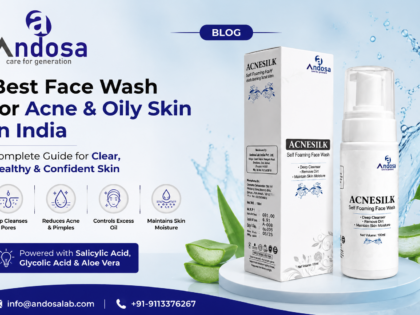
A high-quality cleanser, such as the face wash from Andosa Lab, can deeply cleanse pores while maintaining your skin’s natural balance. Consistent cleansing twice a day can significantly reduce the buildup that often leads to breakouts.
Step 2: Use a Lightweight Toner (Optional)
Toners are not essential, but they can provide additional benefits for oily, acne-prone skin.
A good toner may help with the following:
- Remove leftover impurities
- Minimize the appearance of pores
- Control excess oil
- Prepare the skin for other products
Avoid alcohol-heavy toners, as they can irritate the skin and worsen oil production over time.
Example
If your skin feels greasy by midday, a balancing toner containing ingredients like niacinamide can help regulate sebum production without causing dryness.
Step 3: Apply an Acne-Fighting Serum
Serums deliver concentrated ingredients directly into the skin and can address specific concerns like acne, oiliness, and post-acne marks.
Effective Ingredients for Oily Acne-Prone Skin
Salicylic Acid
Salicylic acid penetrates deep into pores and helps dissolve excess oil and dead skin cells.
Benefits include:
- Reduced blackheads
- Fewer clogged pores
- Improved skin texture
- Fewer breakouts
Niacinamide
Niacinamide has become one of the most recommended ingredients for oily skin.
Benefits include:
- Oil regulation
- Reduced redness
- Improved skin barrier
- Smaller-looking pores
Zinc
Zinc can help calm inflammation and support acne management.
When introducing active ingredients, start slowly and monitor how your skin responds.
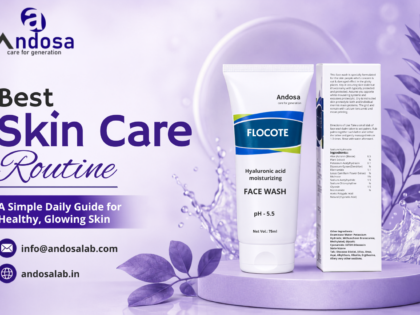
Step 4: Never Skip Moisturizer
One of the biggest skincare myths is that oily skin doesn’t need moisturiser.
In reality, skipping moisturiser can make oily skin worse. When your skin becomes dehydrated, it may compensate by producing more oil.
Choose the Right Moisturizer
Look for:
- Lightweight gel formulas
- Oil-free products
- Non-comedogenic labels
- Fast-absorbing textures
A lightweight moisturiser helps maintain hydration while preventing excess oil production.
Real-Life Example
Many people notice that their skin becomes less greasy throughout the day once they start using a proper moisturiser consistently. Balanced skin tends to regulate itself better than dehydrated skin.
Step 5: Wear Sunscreen Every Day
Sun protection is often overlooked, especially by people with acne-prone skin.
However, UV exposure can:
- Worsen acne marks
- Increase pigmentation
- Accelerate skin aging
- Damage the skin barrier
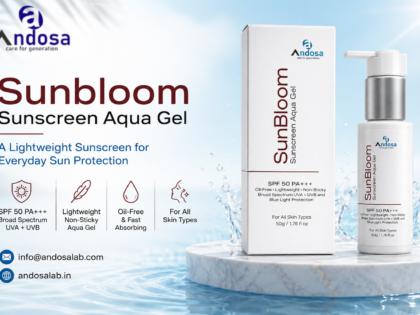
Best Sunscreen for Oily Skin
Choose a sunscreen that is:
- Non-greasy
- Oil-free
- Broad-spectrum SPF 30 or higher
- Lightweight and breathable
Modern gel-based sunscreens are specifically designed for oily skin and won’t leave a heavy or sticky feeling.
Weekly Skincare Additions
Daily skincare forms the foundation, but a few weekly treatments can provide additional support.
Clay Masks
Using a clay mask once or twice a week can help absorb excess oil and unclog pores.
Benefits include:
- Reduced shine
- Cleaner pores
- Smoother skin texture
Gentle Exfoliation
Exfoliation removes dead skin cells that contribute to clogged pores.
However, avoid over-exfoliating.
For oily acne-prone skin:
- Exfoliate 1–2 times weekly
- Use chemical exfoliants rather than harsh scrubs
- Focus on ingredients like salicylic acid
Common Mistakes That Make Acne Worse
Even the best skincare routine can fail if certain habits continue.
Overwashing Your Face
Washing more than twice daily can strip the skin and trigger additional oil production.
Picking Pimples
Picking acne lesions increases the risk of:
- Scarring
- Hyperpigmentation
- Infection
Using Too Many Products
More products don’t always mean better results.
Introducing several active ingredients at once can irritate the skin and worsen breakouts.
Ignoring Consistency
Most skincare products require several weeks of consistent use before noticeable improvements appear.
Patience is crucial.
Sample Morning Routine for Oily Acne-Prone Skin
Morning
- Gentle face wash
- Niacinamide serum
- Lightweight moisturizer
- Oil-free sunscreen
This routine helps control shine while protecting the skin throughout the day.
Sample Night Routine for Oily Acne-Prone Skin
Evening
- Gentle face wash
- Acne treatment serum
- Lightweight moisturizer
Nighttime is when your skin naturally repairs itself, making it an ideal time to use targeted treatments.
Lifestyle Habits That Support Clear Skin
Skincare products work best when combined with healthy habits.
Stay Hydrated
Drinking enough water supports overall skin health.
Manage Stress
Stress can trigger hormonal changes that contribute to acne flare-ups.
Change Pillowcases Regularly
Dirty pillowcases can transfer oil, bacteria, and dirt back onto the skin.
Eat a Balanced Diet
While food isn’t the sole cause of acne, a balanced diet rich in fruits, vegetables, and whole foods may support healthier skin.
Why Choosing the Right Face Wash Matters
Your cleanser is the product you use every single day, making it one of the most important parts of your skincare routine.
For oily acne-prone skin, the ideal cleanser should:
- Remove excess oil effectively
- Help keep pores clear
- Support acne prevention
- Avoid excessive dryness
The face wash from Andosa Lab is designed to cleanse deeply while remaining gentle enough for regular use, making it a valuable addition to a consistent acne-care routine.
Final Thoughts
Finding the best skincare routine for oily acne-prone skin doesn’t have to be complicated. A simple routine built around cleansing, hydration, targeted treatments, and sun protection can significantly improve your skin over time.
Remember that skincare is a long-term commitment rather than a quick fix. Focus on consistency, choose products that support your skin type, and avoid the temptation to over-treat your skin.
With the right approach and quality skincare products like those offered by Andosa Lab, achieving healthier, clearer-looking skin becomes much more realistic.
Frequently Asked Questions (FAQs)
What is the best skincare routine for oily, acne-prone skin?
A simple routine includes a gentle face wash, acne-targeted serum, lightweight moisturiser, and sunscreen during the day.
How many times should I wash oily acne-prone skin?
Most dermatologists recommend washing your face twice daily—once in the morning and once at night.
Is moisturiser necessary for oily skin?
Yes. Skipping moisturiser can lead to dehydration, which may increase oil production.
Which ingredient is best for acne-prone skin?
Salicylic acid is one of the most effective ingredients because it helps unclog pores and reduce breakouts.
Can oily skin become acne-free?
While oily skin naturally produces more sebum, a proper skincare routine and consistent care can greatly reduce acne and improve overall skin health.
How long does it take to see results from a skincare routine?
Most people begin noticing improvements within 4 to 8 weeks of consistent use, though individual results may vary.