Hydrating Face Moisturizer: Why Your Skin Needs One Every Day
-
admin
- Posted on
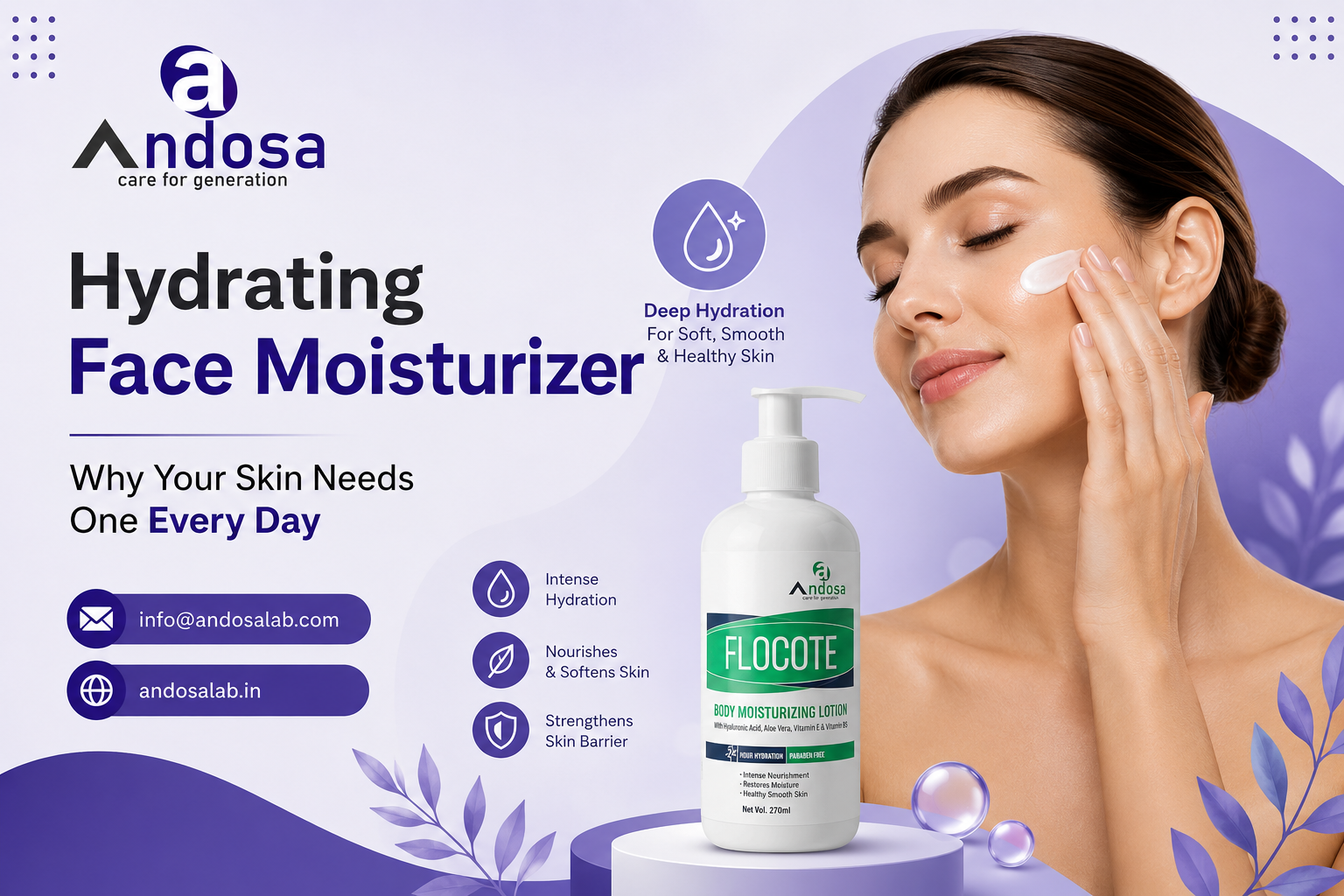
Healthy skin starts with one simple habit: keeping it hydrated. Whether your skin is dry, oily, combination, or sensitive, using a Hydrating Face Moisturizer every day can make a noticeable difference. It helps maintain your skin’s natural moisture barrier, improves texture, and leaves your face looking fresh and healthy.
Many people believe moisturizers are only for dry skin. In reality, every skin type benefits from proper hydration. Even oily skin can become dehydrated, leading to excess oil production and an uneven complexion.
If you’re looking for a moisturizer that hydrates without feeling heavy, Andosa Lab offers skincare solutions designed to nourish the skin while keeping it comfortable throughout the day. Their formulations focus on hydration, skin barrier support, and lightweight daily wear.
Why Is a Hydrating Face Moisturizer Important?
Your skin loses moisture every day because of pollution, air conditioning, harsh weather, sun exposure, and even frequent face washing. Without enough hydration, the skin barrier becomes weaker, making your face feel dry, tight, or irritated.
A good Hydrating Face Moisturizer helps to:
- Lock in moisture
- Strengthen the skin barrier
- Reduce dryness and roughness
- Improve skin softness
- Support healthy-looking skin
- Prepare the skin for makeup or sunscreen
Think of it as giving your skin the water it needs to stay balanced and comfortable.
Signs Your Skin Needs More Hydration
Many people mistake dehydrated skin for oily skin. Here are some common signs that your skin may need a better moisturizer:
Tightness After Cleansing
If your face feels stretched or uncomfortable after washing, your skin is probably losing moisture.
Rough or Flaky Skin
Dry patches around the nose, cheeks, or forehead are often signs that your skin barrier needs extra care.
Excess Oil Production
When skin lacks water, it sometimes produces more oil to compensate. This can leave your face shiny while still feeling dehydrated.
Dull Appearance
Well-hydrated skin reflects light better, giving it a naturally healthy glow.
What Makes a Great Hydrating Face Moisturizer?
Not every moisturizer works the same way. The best products combine ingredients that attract moisture, soften the skin, and help prevent water loss.
Some of the most effective ingredients include:
Hyaluronic Acid
Hyaluronic acid attracts moisture and helps the skin stay plump and hydrated. It is widely used because it provides deep hydration without making the skin greasy.
Glycerin
Glycerin draws water into the outer layer of the skin, keeping it soft and smooth.
Aloe Vera
Known for its soothing properties, aloe vera calms irritated skin while providing lightweight hydration.
Niacinamide
Niacinamide helps strengthen the skin barrier while improving texture and supporting balanced hydration.
Choosing the Right Moisturizer for Your Skin Type
Everyone’s skin is different, so choosing the right moisturizer matters.
Dry Skin
Look for richer formulas with ingredients like hyaluronic acid, glycerin, and nourishing oils that provide long-lasting hydration.
Oily Skin
A lightweight, non-greasy moisturizer is usually the best choice. Hydrating your skin properly may even help reduce excess oil over time.
Combination Skin
Choose a moisturizer that hydrates dry areas without making oily areas feel heavy.
Sensitive Skin
Fragrance-free and dermatologist-tested products with soothing ingredients are generally the safest option.
According to Andosa Lab, lightweight, non-sticky formulations with skin-friendly ingredients can provide hydration while remaining suitable for daily use across different skin types.
How to Apply a Hydrating Face Moisturizer Correctly
Using your moisturizer the right way helps you get the best results.
- Wash your face with a gentle cleanser.
- Pat your skin until it is slightly damp.
- Apply a small amount of moisturizer to your face and neck.
- Massage gently using upward circular motions.
- Follow with sunscreen during the day.
Applying moisturizer to slightly damp skin helps lock in additional moisture.
Why Choose Andosa Lab?
Finding skincare that balances hydration without leaving your skin greasy can be challenging. Andosa Lab focuses on creating moisturizers that combine scientifically backed ingredients with skin-friendly formulations.
Some features of Andosa Lab moisturizers include:
- Lightweight texture
- Deep hydration
- Quick absorption
- Non-sticky finish
- Suitable for daily use
- Paraben-free formulations
- Designed for different skin types
Whether you’re dealing with seasonal dryness or simply want healthier-looking skin, adding a quality Hydrating Face Moisturizer to your routine is one of the easiest ways to improve your skincare results.
You can explore the complete moisturizer range here:
Andosa Lab Moisturizer Collection
Practical Tips for Better Skin Hydration
A moisturizer works even better when combined with healthy skincare habits.
- Drink enough water throughout the day.
- Avoid washing your face with very hot water.
- Use a gentle cleanser instead of harsh soaps.
- Apply moisturizer twice daily.
- Wear sunscreen every morning.
- Avoid over-exfoliating your skin.
These simple habits can help your skin stay hydrated and healthy year-round.
Final Thoughts
A Hydrating Face Moisturizer is more than just another skincare product. It plays an important role in protecting your skin, improving texture, and maintaining a healthy moisture barrier.
Choosing the right moisturizer based on your skin type can make your daily skincare routine more effective. If you’re looking for lightweight hydration backed by thoughtfully selected ingredients, Andosa Lab offers moisturizers designed to deliver lasting comfort and nourishment for everyday use.
Frequently Asked Questions
1. Can oily skin use a hydrating face moisturizer?
Yes. Oily skin still needs hydration. A lightweight, non-comedogenic moisturizer helps maintain balance without making the skin feel greasy.
2. How often should I apply a hydrating face moisturizer?
Most people benefit from applying it twice a day, once in the morning and once before bed.
3. Should I apply moisturizer before sunscreen?
Yes. Moisturizer should be applied first, followed by sunscreen during your morning skincare routine.
4. What ingredients should I look for in a hydrating face moisturizer?
Look for ingredients like hyaluronic acid, glycerin, aloe vera, niacinamide, and vitamin E, which help hydrate and support the skin barrier.
5. Is Andosa Lab Hydrating Face Moisturizer suitable for daily use?
Yes. Andosa Lab’s moisturizing formulations are designed for daily hydration with lightweight, skin-friendly ingredients suitable for regular skincare routines.