How to Remove Acne Marks and Dark Spots: Causes, Treatments, and Prevention
-
admin
- Posted on
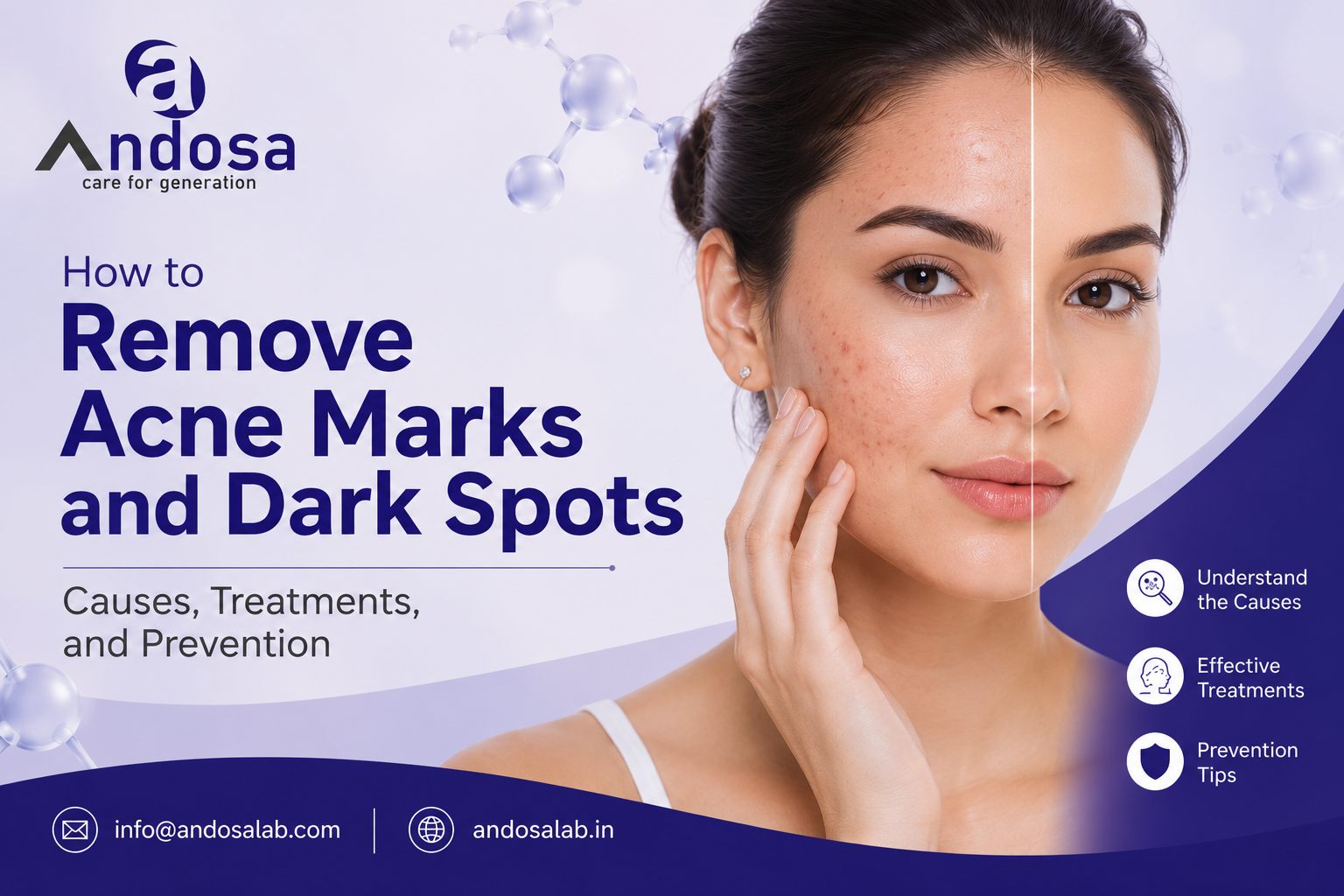
Acne may disappear after a few days or weeks, but the marks it leaves behind can stay much longer. Whether it’s stubborn dark spots or uneven skin tone, acne marks can affect your confidence and make your skin look dull. The good news is that with the right skincare routine and consistency, these marks can gradually fade.
In this guide, we’ll explain what causes acne marks and dark spots, the best treatments available, and how you can prevent them from coming back.
What Are Acne Marks and Dark Spots?
Acne marks are the visible spots left behind after pimples heal. In most cases, these are not true scars but a condition known as post-inflammatory hyperpigmentation (PIH). They appear as brown, black, or reddish patches depending on your skin tone.
Unlike acne scars, which change the skin’s texture, dark spots affect only the skin’s color and usually improve over time with proper care.
What Causes Acne Marks?
Several factors contribute to acne marks after a breakout.
1. Inflammation
When acne becomes inflamed, the skin produces extra melanin as part of the healing process. This excess pigment creates dark spots once the pimple disappears.
2. Picking or Squeezing Pimples
One of the biggest reasons acne marks become worse is picking at pimples. This increases inflammation, damages the skin, and delays healing.
3. Sun Exposure
Ultraviolet (UV) rays can make existing dark spots darker and prevent them from fading quickly. Daily sun protection plays a major role in reducing pigmentation.
4. Skin Type
People with medium to deeper skin tones are generally more likely to develop post-inflammatory hyperpigmentation because their skin naturally produces more melanin.
Effective Treatments for Acne Marks and Dark Spots
Getting rid of acne marks doesn’t happen overnight, but the right ingredients can make a noticeable difference over time.
Use Brightening Ingredients
Look for skincare products that contain ingredients known to reduce pigmentation, such as:
- Niacinamide to brighten skin and reduce discoloration
- Vitamin C to improve skin tone and protect against free radicals
- Alpha Arbutin to reduce excess melanin production
- Azelaic Acid to target both acne and pigmentation
- Salicylic Acid to keep pores clear while preventing new breakouts
These ingredients work best when used consistently as part of your daily skincare routine.
Follow a Gentle Skincare Routine
Avoid harsh scrubs or aggressive treatments that irritate the skin. Gentle cleansing and proper moisturization help your skin repair itself naturally.
A simple routine could include:
Morning
- Gentle cleanser
- Brightening serum
- Moisturizer
- Broad-spectrum sunscreen (SPF 30 or higher)
Night
- Cleanser
- Acne treatment or pigmentation serum
- Moisturizer
Consistency matters much more than using too many products.
Professional Treatments
For deeper pigmentation or acne scars, a dermatologist may recommend:
- Chemical peels
- Microneedling
- Laser treatments
- Prescription creams
Professional treatments often provide faster results but should always be performed under expert supervision.
How Long Does It Take to Remove Acne Marks?
The timeline depends on how deep the pigmentation is.
- Mild dark spots may fade within 6 to 12 weeks.
- Moderate pigmentation often takes 3 to 6 months.
- Severe or older marks can take longer and may require professional treatment.
Patience is important. Frequently changing products usually slows progress instead of improving it.
How to Prevent Acne Marks
Preventing acne marks is often easier than treating them later.
Never Pick Your Pimples
It can be tempting, but squeezing pimples almost always increases the risk of dark spots and permanent scarring.
Treat Acne Early
The sooner breakouts are controlled, the lower the chance of long-lasting pigmentation.
Wear Sunscreen Every Day
Even on cloudy days, UV exposure can darken acne marks. Applying sunscreen daily helps existing spots fade faster and prevents new pigmentation.
Maintain a Healthy Skincare Routine
Keeping your skin clean, hydrated, and protected supports faster healing and reduces inflammation.
Lifestyle Habits That Support Healthy Skin
Healthy skin isn’t just about skincare products. Your daily habits also make a difference.
- Drink enough water throughout the day.
- Eat foods rich in vitamins and antioxidants.
- Get enough sleep to support skin repair.
- Manage stress, as it can trigger acne flare-ups.
- Avoid touching your face with unwashed hands.
Small lifestyle changes often improve your overall skin health over time.
Choosing the Right Acne Care Products
When selecting skincare products, look for formulas that address both active acne and post-acne marks. Products with scientifically supported ingredients can help reduce breakouts while gradually improving uneven skin tone.
Andosa Lab offers anti-acne skincare designed to help manage acne-prone skin while supporting a clearer, healthier-looking complexion. A consistent routine using suitable products can help reduce the appearance of dark spots over time while minimizing future breakouts.
Final Thoughts
Acne marks and dark spots can be frustrating, but they don’t have to be permanent. Understanding what causes them is the first step toward healthier skin. With consistent skincare, sun protection, and effective ingredients, most acne marks gradually fade.
Remember that skincare is a long-term commitment rather than a quick fix. Stay patient, avoid picking your skin, and choose products that support both acne control and skin repair. Over time, you’ll notice a smoother, brighter, and more even complexion.
Frequently Asked Questions (FAQs)
Can acne marks disappear naturally?
Yes. Mild acne marks often fade on their own over several weeks or months. Using brightening ingredients and sunscreen can speed up the process.
What’s the difference between acne scars and acne marks?
Acne marks are changes in skin color, while acne scars involve permanent changes in the skin’s texture or structure.
Which ingredient is best for dark spots?
Niacinamide, Vitamin C, Alpha Arbutin, Azelaic Acid, and Salicylic Acid are among the most effective ingredients for reducing post-acne pigmentation.
Is sunscreen necessary if I stay indoors?
Yes. UV rays can still reach your skin through windows, and daily sunscreen helps prevent acne marks from becoming darker.
Can new acne cause more dark spots?
Yes. Every new inflamed breakout has the potential to leave pigmentation behind, making acne prevention an important part of treating dark spots.