Benefits of Sunscreen for Face: Why SPF 50 Matters Every Single Day
-
admin
- Posted on
Most people spend money on premium face washes, moisturisers, and anti-ageing serums — but skip the one product that actually protects your investment. Sunscreen is not a “beach-only” product. It is a year-round clinical necessity for all skin types.
In this expanded guide, we will break down the science of sun protection, why SPF 50 is a non-negotiable for Indian skin, and how modern innovations like nano-technology are changing the way we protect our skin.
Understanding the Invisible Enemy: UVA vs. UVB
To understand why you need daily protection, you must know what you are fighting. The sun emits two primary types of ultraviolet radiation that reach your skin:
- UVA Rays (The “Ageing” Rays): These account for 95% of the UV radiation reaching Earth. They penetrate deep into the dermis, breaking down collagen and elastin. They pass through glass and clouds, meaning you are exposed even while driving or sitting in an office.
- UVB Rays (The “Burning” Rays): These have shorter wavelengths and damage the skin’s surface layers. They are the primary cause of sunburns and play a significant role in the development of skin cancer.
A broad-spectrum sunscreen is essential because it creates a total shield against both.
Top 6 Benefits of Daily Sunscreen Application
Consistent use of SPF is the single most effective “anti-ageing” treatment available today.
- Shields Against UV Damage: It acts as a physical or chemical filter that prevents UV rays from triggering DNA mutations in your skin cells.
- Prevents Photo-Ageing: Up to 80% of visible skin ageing (wrinkles, leathery texture, sagging) is caused by the sun. Sunscreen preserves the proteins—keratin, collagen, and elastin—that keep skin firm.
- Corrects & Prevents Hyperpigmentation: For those dealing with melasma or dark spots, UV exposure is the “on switch” for pigment production. SPF keeps existing spots from darkening and prevents new ones.
- Promotes an Even Complexion: It stops the cycle of “patchy” tanning, helping you maintain your natural, radiant skin tone.
- Maintains Skin Barrier Health: Modern sunscreens often include antioxidants and hydrators (like Aloe Vera) that reinforce the skin’s natural protective barrier against environmental pollutants.
- Reduces Skin Cancer Risk: Cumulative sun exposure over decades is a leading factor for carcinomas and melanoma. Daily SPF significantly lowers this cumulative risk.
Why SPF 50 is the Smarter Choice for Indian Skin
While the global standard for “sufficient” protection is often cited as SPF 30, the intense UV index in regions like India demands more.
| Protection Factor | UVB Rays Blocked | UV Rays Reaching Skin |
| SPF 30 | 96.7% | 1 in 30 photons |
| SPF 50 | 98.0% | 1 in 50 photons |
The 1% Difference: While 97% vs 98% seems minor, SPF 50 allows 50% less UV radiation to reach your skin compared to SPF 30. For melanin-rich skin, which is more prone to post-inflammatory hyperpigmentation (PIH), this extra layer of security is the difference between a clear complexion and stubborn dark spots.
The Science of Nano-Technology in Sunscreens
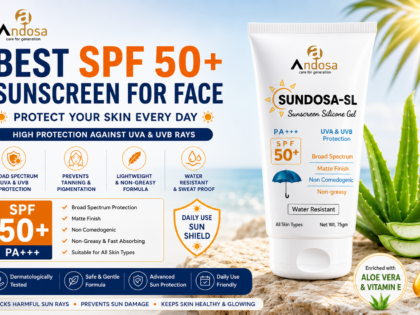
Gone are the days of thick, chalky white pastes. Modern formulations, like Sundosa 50 SPF Sunscreen Gel, utilize Nano-technology.
- Better Absorption: Nanoparticles allow for a more uniform, “invisible” coating on the skin.
- No White Cast: Traditional mineral filters (Zinc/Titanium) were large and reflected visible light (white cast). Nano-sized particles provide the same protection while appearing transparent on the skin.
- Enhanced Stability: Nano-formulations are often more photo-stable, meaning they don’t break down as quickly when exposed to direct sunlight.
Featured Selection: Sundosa 50 SPF Sunscreen Gel
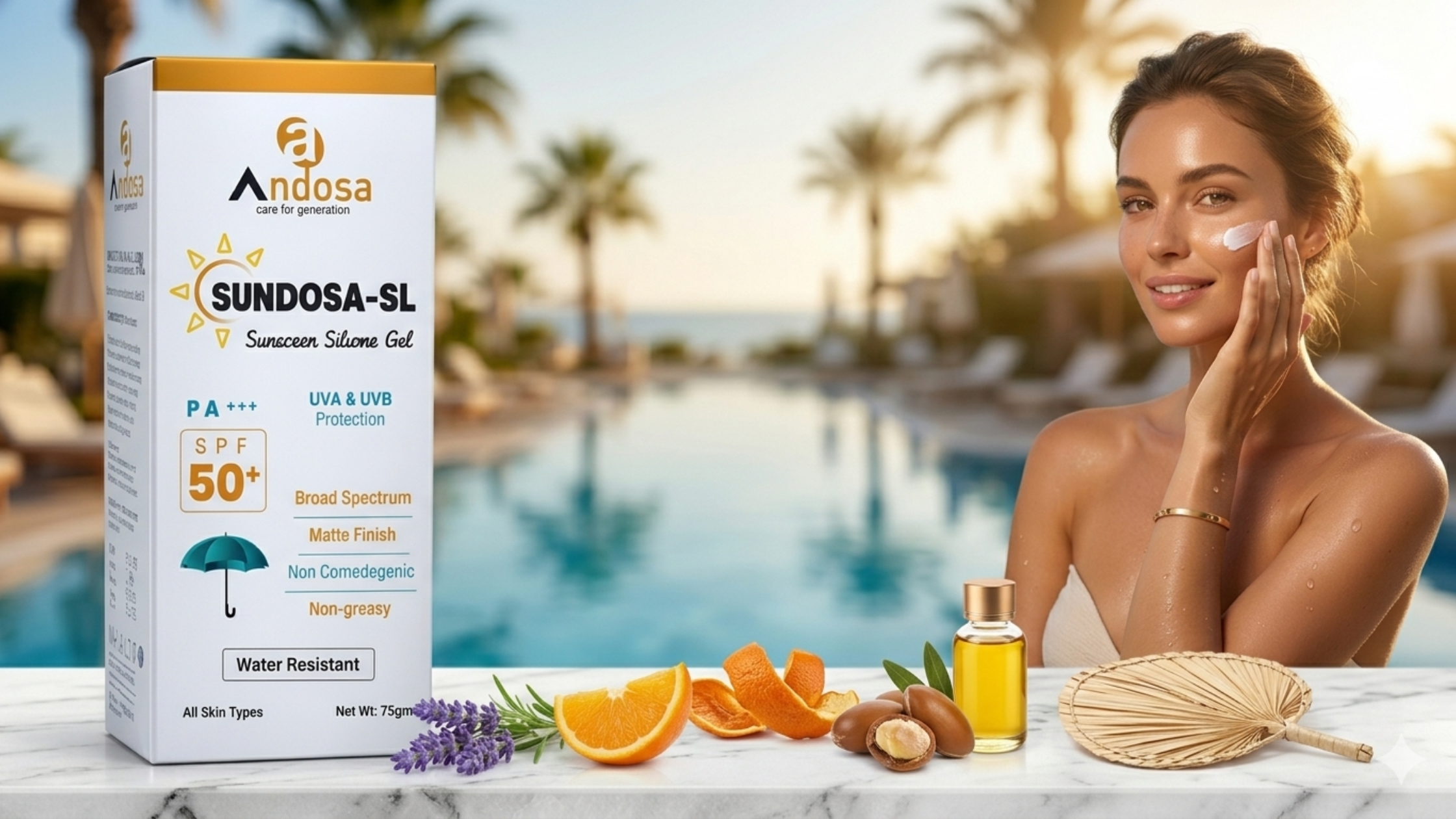
Powered by Nano-technology and enriched with Aloe Vera, this broad-spectrum SPF 50 gel provides high-level protection with a weightless, non-greasy finish. Perfect for the Indian climate.
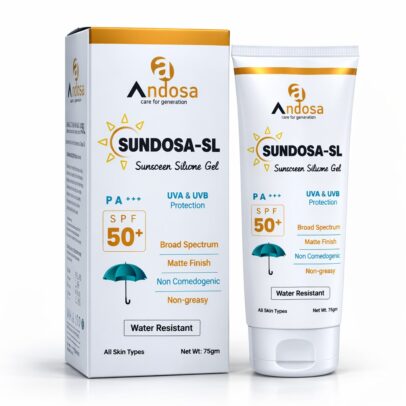
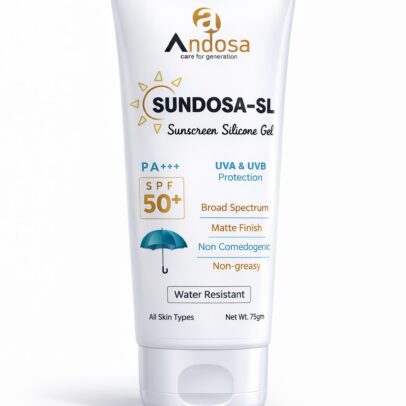
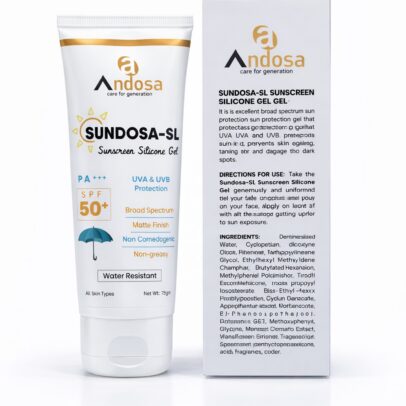
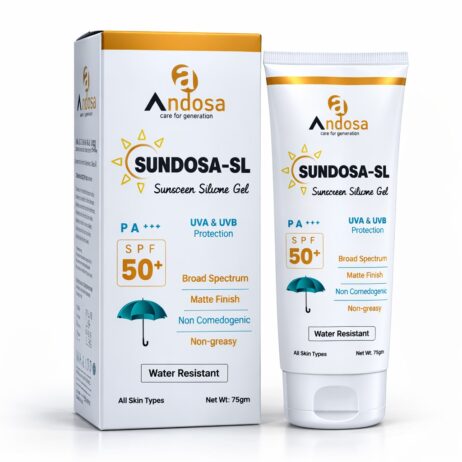
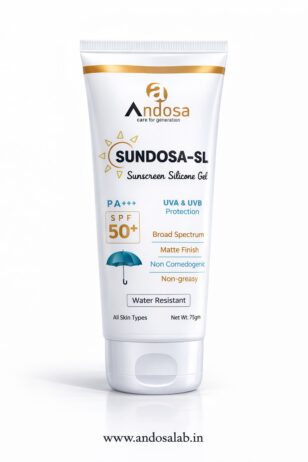
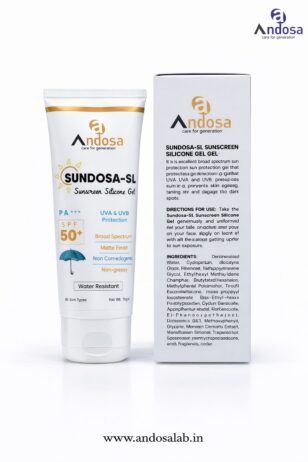
Sundosa 50SPF Sunscreen Gel
₹609.00
Sundosa 50 SPF Sunscreen Lotion is used as next generation sunscreen lotion to prevent damage to skin from harmful UVA and UVB rays of sunlight. It is a broad-spectrum sunscreen that protects the skin against UVA and UVB rays by providing physical and chemical barriers to sunlight.
Add to cart
Buy Now
Shop Sundosa SPF 50 Gel — ₹609 →
How to Apply Sunscreen for Maximum Results
Even the best sunscreen fails if applied incorrectly. Follow the “Two-Finger Rule”:
- The Dose: Squeeze two lines of sunscreen along your index and middle fingers. This is the exact amount needed for your face and neck.
- The Timing: Apply 15–20 minutes before stepping out to allow the protective film to set.
- The Order: Apply after your moisturiser but before your foundation or BB cream.
- The Reapplication: If you are sweating or outdoors, reapply every 2–3 hours. For office workers, a single generous morning application is usually sufficient.
Frequently Asked Questions
Q: Can I skip sunscreen on cloudy days?
A: No. Up to 80% of UV rays penetrate through clouds. You can still get a “sunburn” or accumulate long-term damage on a grey, rainy day.
Q: Do I need sunscreen if I work indoors?
A: Yes. UVA rays penetrate standard window glass. Additionally, many people spend time near “blue light” sources (screens), and while UV is the main concern, a broad-spectrum shield supports overall skin resilience.
Q: Is SPF 50 too high for daily use?
A: Not at all. There is no such thing as “too much” sun protection. SPF 50 is ideal for daily use, especially if you live in a tropical climate or have pigmentation concerns.
Q: Can I use sunscreen instead of a moisturiser?
A: If you have oily skin, a hydrating gel-based sunscreen like Sundosa can often double as your daytime moisturiser. However, dry skin types should still apply a light moisturiser underneath.
Q: Will sunscreen cause acne or breakouts?
A: Only if you use the wrong formula. Look for “non-comedogenic” labels. Gel-based, water-resistant formulas are specifically designed to protect the skin without clogging pores.
Q: Can we use sunscreen at night?
A: No. Sunscreen is designed to filter light. At night, your skin needs to breathe and focus on repair. Use a night cream with ingredients like Retinol or Hyaluronic Acid instead.
The Final Word
Is sunscreen good for your skin? It is the foundation of skin health. Without it, the rest of your skincare routine is essentially fighting a losing battle against the sun. By choosing a high-quality, SPF 50 broad-spectrum formula and applying it religiously, you aren’t just preventing a tan—you are ensuring your skin stays healthy, firm, and clear for years to come.
Protect Your Skin with Sundosa SPF 50 Gel →
Editorial Note: This guide is curated by Andosa Lab. All information is based on established dermatological standards. For chronic skin conditions like severe melasma or dermatitis, always consult with a certified dermatologist.